RARAB Design

Web Design Studio · Dubai

Our approach

We treat every website as a living product — not a static deliverable. That means writing code that loads quickly, adapts to any screen, meets accessibility expectations, and can be extended without dismantling what already works.

Core Disciplines

Four pillars of technical delivery

01
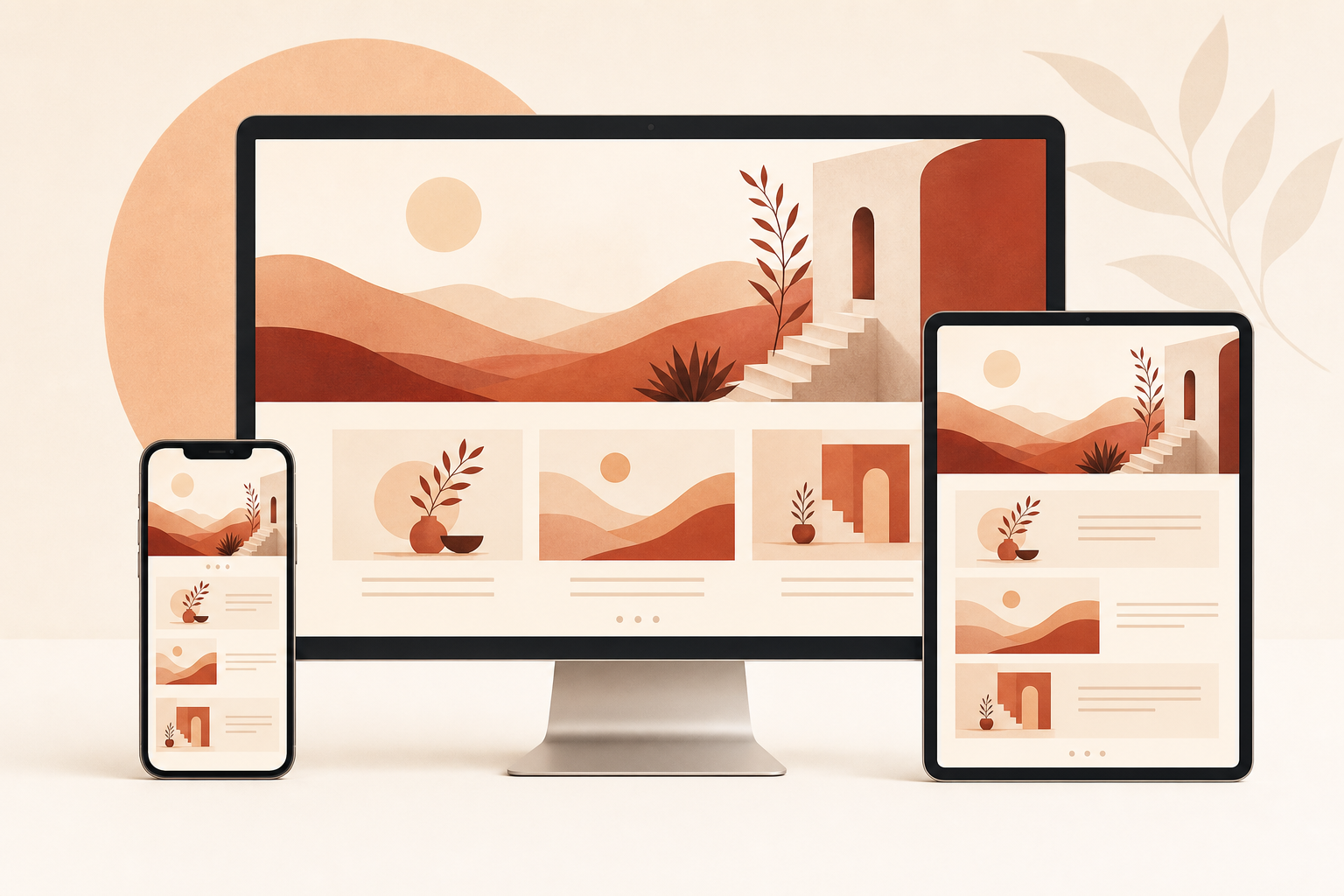
Responsive interface engineering across multiple devices
Interface Engineering

Adaptive Interface Engineering

Screen sizes vary — your layout should not struggle to keep up. We engineer fluid grid systems and breakpoint strategies that reposition content intelligently, preserving hierarchy and readability from wide desktop monitors to compact smartphone screens.

  • Mobile-first and desktop-first strategies
  • Touch-friendly interaction zones
  • Orientation and viewport testing
02
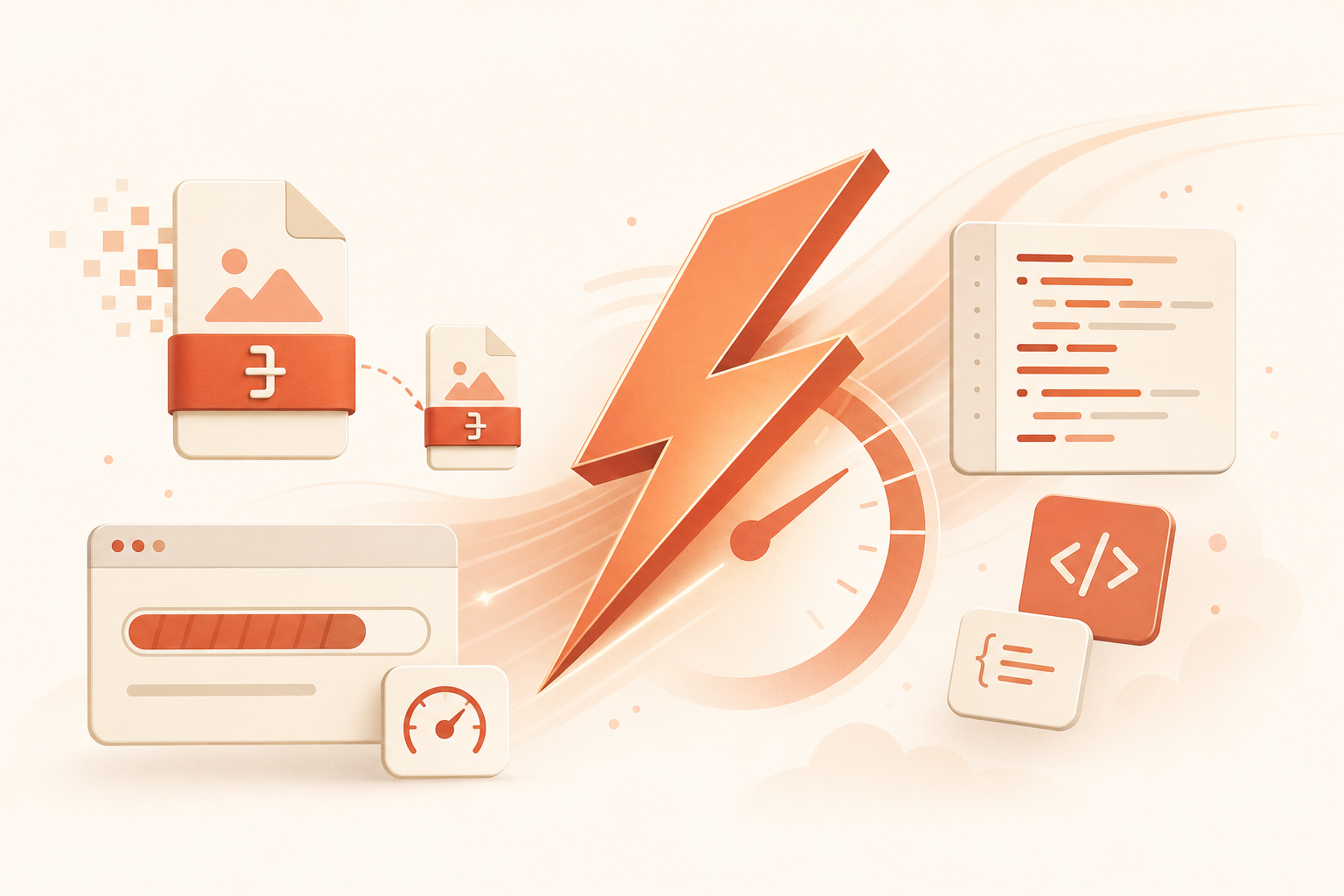
Website performance and speed optimization concept
Speed & Efficiency

Front-End Speed Tuning

Slow websites lose visitors before the first message lands. We audit render paths, compress visual assets, defer non-critical resources, and eliminate code bottlenecks so pages arrive quickly and feel responsive from the first interaction.

  • Image format selection and compression
  • Critical CSS prioritisation
  • Load time benchmarking before launch
03
Inclusive web accessibility design standards
Inclusive Design

Inclusive Interface Standards

A website should be usable by the widest possible audience. We integrate accessibility principles from the earliest wireframe stage — ensuring proper contrast, keyboard operability, screen reader compatibility, and clear focus states throughout the interface.

  • ARIA labelling where appropriate
  • Readable typography at all sizes
  • Logical tab order and skip navigation
04
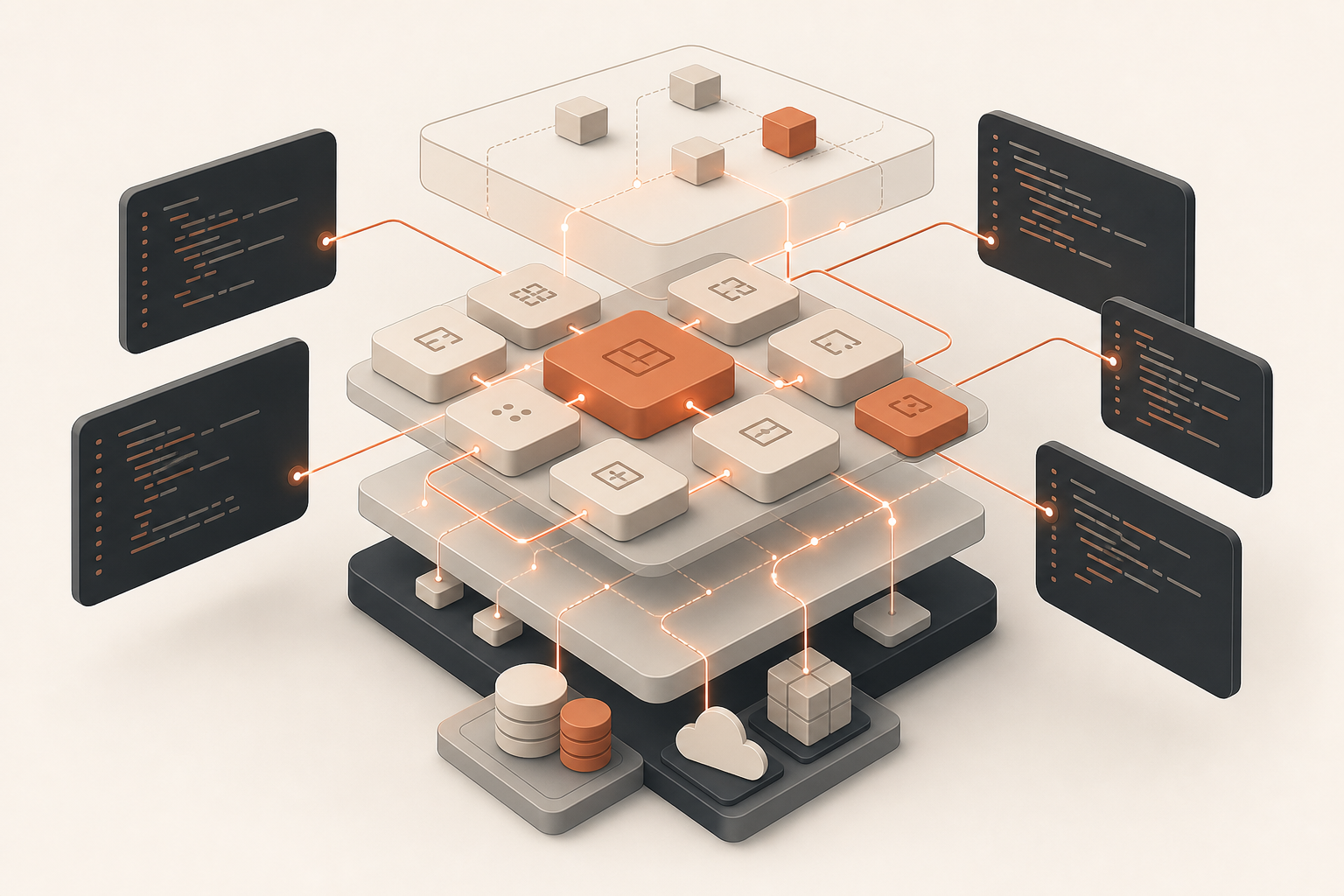
Modular scalable web architecture diagram
Code Structure

Modular Code Framework

Websites evolve — new pages, features, and integrations appear over time. We organise front-end code into reusable, well-documented components so future changes slot in cleanly rather than forcing a complete rebuild of the existing structure.

  • Component-based file organisation
  • Consistent naming conventions
  • Handover documentation for your team

Supporting Standards

Additional practices we apply on every build

Beyond the four core disciplines, these supporting standards ensure consistency, discoverability, and reliability across every project we deliver.

05

Semantic Document Structure

HTML elements are chosen for meaning, not convenience — giving assistive technologies and search engines a clear map of page content and hierarchy.

06

Cross-Browser Verification

Layouts and interactions are tested across current versions of Chrome, Firefox, Safari, and Edge to catch rendering differences before your audience does.

07

Metadata Configuration

Page titles, descriptions, Open Graph tags, and canonical URLs are configured correctly so shared links and search results represent your brand accurately.

08

Secure Connection Protocol

All deployed sites are configured to run over HTTPS, protecting data in transit and meeting modern browser security expectations.

09

Asset Pipeline Management

Stylesheets, scripts, and media files are organised and versioned logically — reducing conflicts, simplifying updates, and keeping the codebase maintainable.

10

Pre-Launch Quality Review

A structured checklist covers links, forms, responsive behaviour, loading speed, and content accuracy before any site is approved for public access.

Need a website built on solid technical ground?

Tell us about your project and we will outline how our engineering standards apply to your specific requirements.

Start a project